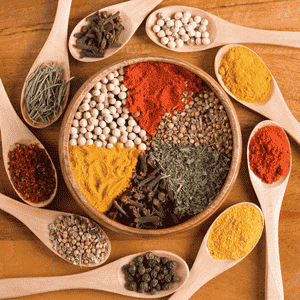
In the mist-shrouded valleys of Uttarakhand, where snow-capped peaks pierce the heavens and ancient forests whisper tales of resilience, lies a culinary heritage as rich and enduring as the mountains themselves. This is the realm of Laluri – not merely a concept, but a living philosophy woven into the very fabric of life, reflected profoundly in the indigenous foods nurtured by this sacred land. These aren’t just ingredients; they are edible heirlooms, vessels of ancestral wisdom, ecological adaptation, and profound flavour, waiting to be rediscovered on your Classic Chopping Board.
Imagine that sturdy wooden surface, seasoned with care – a silent witness to generations of preparation. Today, upon it rests not the ubiquitous onion or garlic, but treasures like Gahat Dal (Horse Gram). This unassuming brown lentil, a nutritional powerhouse packed with iron and protein, is the bedrock of Kumaoni comfort. Slow-cooked into a hearty Gahat Ki Dal or transformed into Ras-Bhaat, its earthy depth speaks of sustenance forged in challenging terrain. It’s more than food; it’s winter warmth, resilience in a bowl. Discover authentic Gahat recipes on Laluri.
Beside the dal, perhaps, rests a vibrant splash of crimson: Buransh, the dazzling rhododendron flower. This isn’t mere decoration. Steeped into a cooling, tart-sweet Buransh Sharbat or incorporated into chutneys, it embodies the mountain spring. Its unique flavour – floral, slightly tangy – and its revered cooling properties are a testament to the Himalayas’ pharmacy. It’s Laluri in bloom, a reminder of nature’s vibrant generosity. Explore the magic of Buransh at Laluri.
And then, the citrus jewels: Malta. These aren’t your average oranges. Grown in the crisp Himalayan air, Uttarakhand’s Malta oranges possess a distinct sweetness, complex aroma, and thinner skin. Squeezed fresh over salads, segmented into chutneys, or simply enjoyed as nature’s candy, they offer a burst of sunshine vitamin C, a vital shield against the high-altitude cold. Their unique terroir is a lesson in place and flavour. Find out why Malta is special on Laluri.
The story of sustenance continues with the cherished legumes. Munsiyari Rajma and Harshil Rajma are not interchangeable with common kidney beans. Named after their high-altitude origins (Munsiyari and the Harshil valley), these beans are smaller, denser, and boast an unparalleled creamy texture and rich, nutty flavour when slow-cooked in traditional style. They represent generations of careful seed selection, adapted to specific microclimates – biodiversity and culinary excellence hand-in-hand. Learn about preserving these unique Rajmas at Lalur.
For grains, the mountains offer unique sustenance. Jhangora (Barnyard Millet) is a gluten-free marvel, quick-cooking and light. Once a vital famine food due to its hardiness, it’s now celebrated as a nutritious superfood, perfect for upma, khichdi, or even desserts. Ragi Flour (Koda) (Finger Millet), another nutrient-dense millet, is a calcium champion. Its robust, slightly nutty flavour shines in porridges, rotis, and traditional brews. These ancient grains are Laluri’s answer to modern health needs, rooted in timeless wisdom. Discover Jhangora recipes on Laluri. Unlock the power of Ragi at Laluri.
Then there’s Lal Chawal – Red Rice. This isn’t rice dyed; it’s naturally pigmented, grown in the pristine waters and soil of the Himalayas. Nutty, chewy, and packed with antioxidants, it’s a superior, flavourful alternative to white rice. Cooking Lal Chawal is a ritual, its deep red hue transforming into a beautiful maroon, a visual and nutritional feast symbolizing the land’s richness. Experience Lal Chawal on Laluri.
No Himalayan pantry is complete without its unique flavour enhancers. Jakhiya Seeds are the region’s secret weapon. These tiny, dark seeds, often mistaken for mustard, release a magical, nutty, almost onion-like aroma when tempered in oil (phodni). A pinch transforms dals, vegetables, and meat dishes, adding a deeply savoury, complex base note found nowhere else. They are the essence of Kumaoni tempering, a whisper of mountain spice. Master the use of Jakhiya at Laluri.
Finally, the mineral touch: Pisyu Loon – Rock Salt. Mined traditionally from Himalayan salt veins, this unrefined salt is prized for its trace minerals and clean, less harsh salinity compared to heavily processed table salt. It’s the finishing touch that respects the integrity of the other ingredients, connecting the food directly to the ancient geology of the land. It embodies purity, the grounding element of Laluri.
Laluri: The Thread That Binds
These ingredients – Gahat Dal, Buransh, Malta, Munsiyari Rajma, Jhangora, Harshil Rajma, Jakhiya Seeds, Ragi (Koda), Lal Chawal, Pisyu Loon – are far more than a list. They represent a profound interconnectedness:
- Ecological Wisdom: Each is perfectly adapted to the Himalayan environment, requiring minimal external inputs, promoting biodiversity, and preventing soil erosion (like Gahat’s deep roots).
- Nutritional Resilience: Developed over centuries to provide complete, balanced nutrition in a demanding climate – protein from legumes and dairy, vitamins from Buransh and Malta, minerals from salt and millets, energy from grains.
- Cultural Continuity: Their preparation involves traditional tools (like the Classic Chopping Board), age-old recipes passed down orally, and is central to festivals and community gatherings. Cooking with them is an act of preserving heritage.
- Sustainable Abundance: They represent a food system inherently low on food miles (when sourced locally), supporting small mountain farmers and preserving indigenous seed varieties threatened by commercial monocultures.
To embrace these ingredients is to embrace Laluri. It’s choosing food that nourishes not just the body, but the spirit and the land. It’s understanding that the Classic Chopping Board isn’t just a tool, but a stage where this ancient culinary drama unfolds. It’s seeking out the unique flavours of Buransh and Jakhiya, the comforting earthiness of Gahat and Lal Chawal, the vital nutrition of Jhangora and Ragi.
This Himalayan pantry is a lifeline to a vanishing wisdom, a delicious rebellion against homogenized food culture. By bringing Gahat Dal to our tables, savouring the tang of Buransh, or tempering with Jakhiya, we participate in keeping Laluri alive. We honour the mountains, the farmers, and the generations of wisdom encoded in these edible treasures. It’s a journey back to the source, one flavourful, nourishing bite at a time. Explore this world, discover recipes, and learn how to source these treasures at Laluri.com. Let your kitchen become a sanctuary for this sacred Himalayan legacy.
 Laluri
Leave a comment